
Why Some Patients See Better Hair Density After PRP Therapy While Others Do Not
Hair Thinning Is Not the Same for Every Patient
Hair loss is often viewed as a single condition, but in reality, it can develop from multiple causes and follow very different patterns. Some individuals notice gradual thinning over several years, while others experience sudden shedding within a few months. Factors such as genetics, hormonal changes, nutritional deficiencies, stress, medical conditions, scalp disorders, and certain medications can all influence hair health.
When researching treatment options, many individuals searching for PRP Hair Treatment in Ahmedabad, Gujarat are often looking for realistic information about results rather than marketing claims. One of the most important facts patients should understand is that treatment outcomes depend heavily on the condition of the hair follicles before therapy begins.
Hair restoration treatments work best when they are matched appropriately to the underlying cause of hair loss. This is why a detailed scalp evaluation remains an important step before deciding whether regenerative treatment may be beneficial.
The Biological Role of Platelets in Hair Restoration
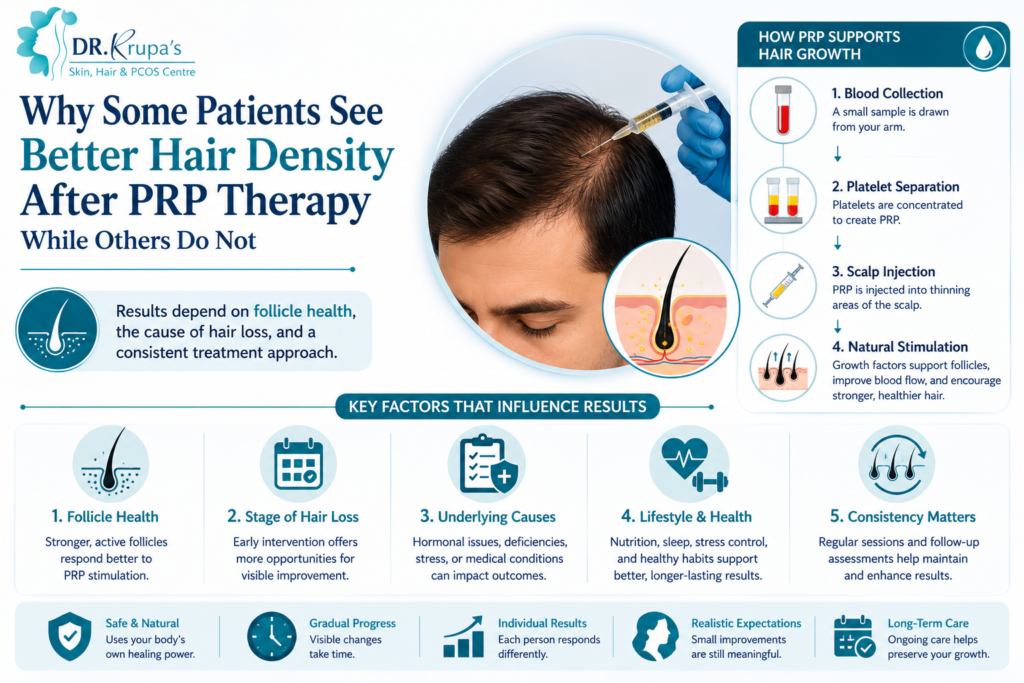
Platelet-rich plasma therapy is based on the body’s natural healing mechanisms. Platelets are specialized blood components that contain growth factors involved in tissue repair and cellular communication.
During treatment, a small blood sample is collected and processed to concentrate these platelets. The resulting plasma is then introduced into areas of the scalp where hair thinning is occurring.
Researchers believe that growth factors released from platelets may stimulate biological activity around weakened follicles. This process may support blood circulation, encourage cellular repair, and create a healthier environment for hair growth.
Unlike treatments that attempt to replace hair mechanically, PRP therapy focuses on supporting existing follicles that still have the potential to produce hair.
Why Hair Follicle Health Determines Treatment Response
Hair loss can occur due to several reasons, and identifying the underlying cause is important for effective treatment. Some common causes include:
● Genetic hair loss (male or female pattern baldness)
● Hormonal imbalances
● Stress and lifestyle factors
● Nutritional deficiencies
● Medical conditions affecting scalp health
● Excessive use of chemical hair treatments
Early consultation helps determine the root cause and allows specialists to suggest appropriate treatment options.
Why Hair Follicle Health Determines Treatment Response
One of the primary reasons patients experience different outcomes is the condition of their follicles at the time treatment begins.
Hair follicles affected by early-stage thinning often retain a significant amount of biological activity. Although they may produce thinner strands, they can still respond to regenerative stimulation.
By contrast, follicles that have undergone extensive miniaturization over many years may have limited capacity to recover. In areas where follicles are no longer active, stimulating growth becomes considerably more challenging.
This distinction explains why two patients receiving the same treatment may achieve noticeably different results.
Early Intervention Often Provides More Opportunities
Many people wait until hair loss becomes visibly advanced before seeking medical advice. Unfortunately, delaying treatment may reduce the number of follicles capable of responding to therapy.
Patients who address thinning during its earlier stages often have more treatment options available because a greater number of follicles remain functional.
Hair Density and Hair Count Are Different Measurements
Patients sometimes focus solely on the number of hairs present. However, density is also influenced by hair thickness.
Even modest improvements in strand diameter can create the appearance of fuller hair. For some individuals, PRP therapy may improve hair quality and thickness more than overall follicle numbers.
Conditions That May Influence Treatment Outcomes
Hair loss can occur for many reasons, and identifying the cause is essential before choosing any treatment strategy.
Genetic Hair Loss
Androgenetic alopecia remains one of the most common causes of progressive hair thinning. This condition affects both men and women and develops when genetically susceptible follicles gradually become smaller over time.
Patients with early to moderate genetic hair loss often represent a group frequently evaluated for regenerative therapies.
Stress-Related Hair Shedding
Significant physical or emotional stress can trigger temporary hair shedding known as telogen effluvium. In these situations, addressing the underlying trigger is often just as important as any scalp treatment.
Hormonal Influences
Hormonal changes associated with thyroid disorders, menopause, polycystic ovary syndrome, or other endocrine conditions can affect hair growth patterns. Managing these medical factors may be necessary to achieve meaningful improvement.
Nutritional Deficiencies
Iron deficiency, inadequate protein intake, low vitamin D levels, and other nutritional issues can contribute to thinning hair. Treatment plans often become more effective when nutritional concerns are identified and corrected.
What Patients Should Expect During the Treatment Process
Realistic expectations play an important role in patient satisfaction. Hair growth follows a biological cycle that cannot be accelerated dramatically.
After treatment, the scalp requires time to respond to growth factor stimulation. Many patients do not notice visible changes during the first several weeks.
Instead, improvements often develop gradually as follicles progress through their natural growth phases.
Initial Changes May Be Subtle
One of the earliest observations reported by some patients is reduced hair shedding. While this change may not immediately increase density, it can indicate improved follicular stability.
Visible Density Requires Patience
Hair strands grow slowly. Even when follicles respond positively, several months may pass before increased thickness becomes noticeable.
Patients expecting immediate cosmetic transformation may become discouraged despite ongoing biological improvement beneath the scalp surface.
Factors Outside the Treatment Room That Affect Results
Successful hair management extends beyond a single procedure. Several lifestyle and health factors can influence follicular performance.
Sleep quality affects tissue repair and hormone regulation. Chronic sleep deprivation may interfere with normal biological processes involved in hair growth.
Nutritional habits also matter. Hair follicles require adequate protein, vitamins, minerals, and micronutrients to function effectively.
Stress management can be equally important. Elevated stress levels may contribute to inflammatory responses and hair shedding patterns that complicate treatment outcomes.
For patients considering PRP Hair Treatment in Ahmedabad, Gujarat, understanding these broader influences can help establish realistic expectations and encourage a more comprehensive approach to hair health.
Safety Considerations Patients Should Discuss With Their Doctor
Because platelet-rich plasma is derived from a patient’s own blood, concerns regarding allergic reactions are generally lower than with treatments involving foreign substances.
However, no medical procedure is entirely free of risk.
Temporary scalp tenderness, redness, swelling, and minor bruising may occur after injections. These effects are typically short-lived and resolve without significant intervention.
Patients with bleeding disorders, active scalp infections, autoimmune conditions, or certain medical concerns should discuss their history thoroughly before proceeding with treatment.
A comprehensive medical assessment helps determine whether therapy is appropriate and whether additional precautions may be necessary.
Situations Where PRP May Have Limitations
Although regenerative therapies have expanded treatment possibilities, they are not suitable for every type of hair loss.
Advanced Baldness
Areas that have remained completely bald for extended periods may contain few viable follicles. In such cases, stimulation alone may not produce substantial regrowth.
Active Scalp Disease
Inflammatory scalp disorders can interfere with follicular function. These conditions often require treatment before regenerative procedures are considered.
Untreated Medical Conditions
Persistent hormonal abnormalities, nutritional deficiencies, or systemic illnesses may continue affecting hair growth regardless of scalp-based interventions.
Addressing underlying health concerns often improves the likelihood of achieving meaningful long-term results.
Why Follow-Up Assessment Matters
Hair restoration should not be viewed as a one-time event. Monitoring progress helps determine whether follicles are responding as expected and whether adjustments to the treatment plan may be beneficial.
Photographic comparisons, scalp examinations, and discussions about shedding patterns can provide valuable insight into treatment effectiveness.
Regular evaluation also allows healthcare professionals to identify factors that may be limiting progress, such as nutritional deficiencies, ongoing hormonal influences, or changes in scalp health.
For many individuals exploring PRP hair treatment in Ahmedabad, Gujarat, understanding the importance of long-term follow-up can be just as valuable as understanding the procedure itself.
Looking Beyond Hair Growth Alone
Hair restoration goals vary significantly between patients. Some individuals hope to improve density, while others are primarily focused on reducing ongoing shedding or maintaining existing hair.
Success should therefore be evaluated based on realistic and individualized objectives rather than a single universal standard.
A treatment that slows progression, improves hair quality, or enhances scalp coverage may represent a meaningful outcome even when dramatic regrowth does not occur.
Understanding these nuances helps patients make informed decisions and develop expectations that align with current medical knowledge about regenerative hair therapies.