
Why PCOD Symptoms Often Return and What Long-Term Management Really Involves
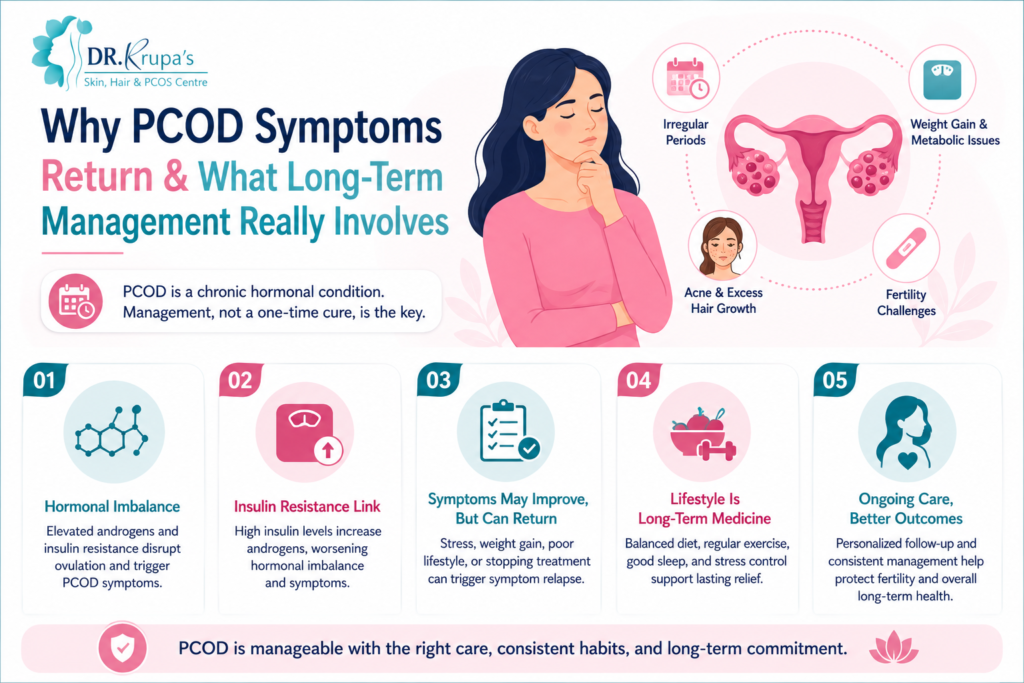
When Irregular Periods Become More Than a Temporary Concern
Many women experience occasional changes in their menstrual cycle due to stress, illness, travel, or lifestyle changes. However, when irregular periods become frequent or are accompanied by symptoms such as weight gain, acne, excessive facial hair growth, or difficulty conceiving, an underlying hormonal condition may be involved.
Polycystic Ovarian Disease (PCOD) is one of the most commonly diagnosed hormonal disorders among women of reproductive age. Despite its prevalence, misconceptions about the condition remain widespread. Some women believe it is a temporary issue that disappears after treatment, while others assume symptoms can be managed through medication alone.
Women searching for a PCOD treatment clinic in Ahmedabad, Gujarat are often looking for answers about symptom control, fertility concerns, and long-term health outcomes. Understanding the chronic nature of PCOD is an important first step toward effective management.
The Hormonal Changes That Drive PCOD
PCOD develops when hormonal regulation within the body becomes disrupted. Although the exact cause is not always clear, multiple factors can contribute to its development, including genetics, insulin resistance, metabolic changes, and lifestyle influences.
In many cases, the ovaries produce higher-than-normal levels of androgens, often referred to as male hormones. Elevated androgen levels can interfere with normal ovulation and contribute to several visible symptoms.
The condition is not limited to reproductive health alone. Hormonal imbalances can affect metabolism, skin health, weight regulation, and emotional well-being, making PCOD a complex condition that often requires ongoing monitoring.
PCOD and PCOS: Why an Accurate Diagnosis Matters
The terms PCOD (Polycystic Ovarian Disease) and PCOS (Polycystic Ovary Syndrome) are often used interchangeably, which can create confusion for many women seeking answers about their symptoms. Although both conditions involve hormonal imbalances and may share similar signs such as irregular menstrual cycles, acne, weight gain, excessive hair growth, and fertility challenges, they are not always considered the same condition.
PCOD is generally characterized by the presence of multiple immature follicles within the ovaries that may interfere with normal ovulation. Many women with PCOD can successfully manage their symptoms through lifestyle modifications, nutritional support, and appropriate medical care. The condition is often associated with hormonal irregularities that affect reproductive health but may not always involve the broader metabolic disturbances seen in more complex endocrine disorders.
PCOS, on the other hand, is typically considered a metabolic and hormonal syndrome that can affect multiple systems throughout the body. In addition to menstrual irregularities and ovulatory dysfunction, women with PCOS are more likely to experience insulin resistance, elevated androgen levels, and a greater risk of long-term health concerns such as type 2 diabetes, metabolic syndrome, and cardiovascular complications.
Despite these distinctions, there can be considerable overlap between the two conditions, and symptoms alone are not enough to establish an accurate diagnosis. Comprehensive evaluation, including medical history, hormonal assessment, menstrual pattern analysis, and metabolic health evaluation, is often necessary to determine the underlying cause of symptoms. Understanding whether a woman is experiencing PCOD, PCOS, or another hormonal condition helps guide more effective treatment decisions and supports better long-term health management.
Why Symptoms Can Vary Significantly Between Women
One of the challenges associated with PCOD is that symptoms do not appear the same in every individual. Some women experience severe menstrual irregularities, while others primarily notice skin or weight-related concerns.
Menstrual Changes
Irregular, infrequent, or absent menstrual periods are among the most common signs of PCOD. Ovulation may occur unpredictably or not occur regularly at all.
Skin and Hair Concerns
Hormonal fluctuations can contribute to acne, oily skin, increased facial hair growth, and thinning scalp hair. These symptoms may affect self-confidence and quality of life.
Weight and Metabolic Changes
Many women with PCOD experience difficulty maintaining a healthy weight. Insulin resistance, which frequently accompanies the condition, can make weight management more challenging despite efforts involving diet and exercise.
Why Symptom Improvement Does Not Always Mean the Condition Has Resolved
A common misunderstanding is that symptom improvement indicates complete resolution of PCOD. While symptoms may become less noticeable with treatment and lifestyle modifications, the underlying hormonal tendency often remains.
This explains why symptoms can reappear after periods of improvement. Weight gain, increased stress, disrupted sleep patterns, or discontinuation of treatment plans may contribute to recurrence.
Rather than viewing PCOD as a condition that is simply cured or eliminated, healthcare professionals generally approach it as a long-term health condition that requires ongoing management.
The Connection Between Insulin Resistance and Hormonal Imbalance
Insulin is a hormone responsible for regulating blood sugar levels. Many women with PCOD develop insulin resistance, meaning the body’s cells do not respond effectively to insulin.
To compensate, the body produces higher amounts of insulin. Elevated insulin levels can stimulate increased androgen production, further disrupting ovulation and hormonal balance.
This relationship helps explain why metabolic health plays such a significant role in managing PCOD. Improvements in insulin sensitivity often support better hormonal regulation and symptom control.
Why Weight Changes Can Influence Symptoms
Even modest weight gain may worsen insulin resistance in susceptible individuals. Conversely, gradual and sustainable weight management can contribute to improvements in menstrual regularity and hormonal balance.
Metabolic Health Extends Beyond Weight
Not all women with PCOD are overweight. Some individuals maintain a normal body weight yet still experience insulin resistance and hormonal abnormalities. This highlights the importance of individualized evaluation rather than relying solely on appearance.
The Importance of Lifestyle Factors in Long-Term Management
Although medical treatment can play an important role, lifestyle habits remain central to long-term symptom control.
Nutritional choices influence blood sugar regulation, insulin sensitivity, and overall metabolic health. Balanced eating patterns that emphasize nutrient-dense foods may help support hormonal stability.
Physical activity also contributes to improved insulin response and cardiovascular health. Regular exercise can support weight management while providing additional benefits for mood and energy levels.
Sleep quality deserves attention as well. Inadequate sleep may affect hormone regulation, appetite control, and metabolic function, potentially worsening symptoms over time.
How PCOD Can Affect Mental and Emotional Well-Being
Many discussions about PCOD focus on physical symptoms, but the condition can also affect emotional health and overall quality of life. Irregular periods, persistent acne, unwanted facial hair growth, weight fluctuations, and fertility concerns may contribute to stress, anxiety, and reduced self-confidence. Some women feel frustrated when symptoms continue despite lifestyle changes, while others experience emotional strain from managing a long-term hormonal condition.
Research has shown that women with hormonal disorders may be more likely to experience mood-related challenges, highlighting the importance of addressing mental well-being alongside physical health. Emotional support, stress management strategies, healthy sleep habits, and realistic treatment expectations can play an important role in overall symptom management. Taking a comprehensive approach that considers both physical and psychological health often helps women navigate PCOD more effectively over the long term.
Potential Long-Term Health Risks Associated With PCOD
PCOD is not solely a reproductive condition. Ongoing hormonal and metabolic changes can influence broader aspects of health.
Increased Risk of Metabolic Disorders
Women with PCOD may face a higher likelihood of developing insulin resistance, prediabetes, or type 2 diabetes over time.
Cardiovascular Health Considerations
Factors such as elevated blood sugar levels, weight gain, and abnormal cholesterol profiles may contribute to increased cardiovascular risk in some individuals.
Endometrial Health
Irregular menstrual cycles can affect the uterine lining. Long periods without ovulation may require medical evaluation to help reduce potential complications.
Understanding these risks allows women to make informed decisions about ongoing health monitoring and preventive care.
Why Individualized Care Is Essential
PCOD affects multiple body systems, which means treatment plans often need to address more than one concern simultaneously.
Some women primarily seek help for irregular periods, while others are focused on fertility, weight management, acne, or excess hair growth. A treatment strategy that effectively addresses one person’s concerns may not be appropriate for another.
This is why women considering support through a PCOD treatment clinic in Ahmedabad, Gujarat should understand the importance of individualized assessment. Medical history, symptom patterns, metabolic health, reproductive goals, and lifestyle factors all influence treatment decisions.
A personalized approach helps ensure that management strategies are aligned with both current symptoms and long-term health objectives.
Building a Sustainable Approach to Hormonal Health
Long-term success in managing PCOD often comes from consistency rather than short-term interventions. Sustainable lifestyle habits, regular health monitoring, and appropriate medical guidance can help reduce symptom fluctuations and support overall well-being.
Rather than focusing solely on immediate symptom relief, many healthcare professionals emphasize strategies that improve metabolic health, support hormonal balance, and reduce future health risks. This broader perspective helps women develop realistic expectations while creating a foundation for better health over time.