
Psoriasis and Skin Inflammation: What Patients Need to Know
When Skin Inflammation Becomes More Than a Temporary Problem
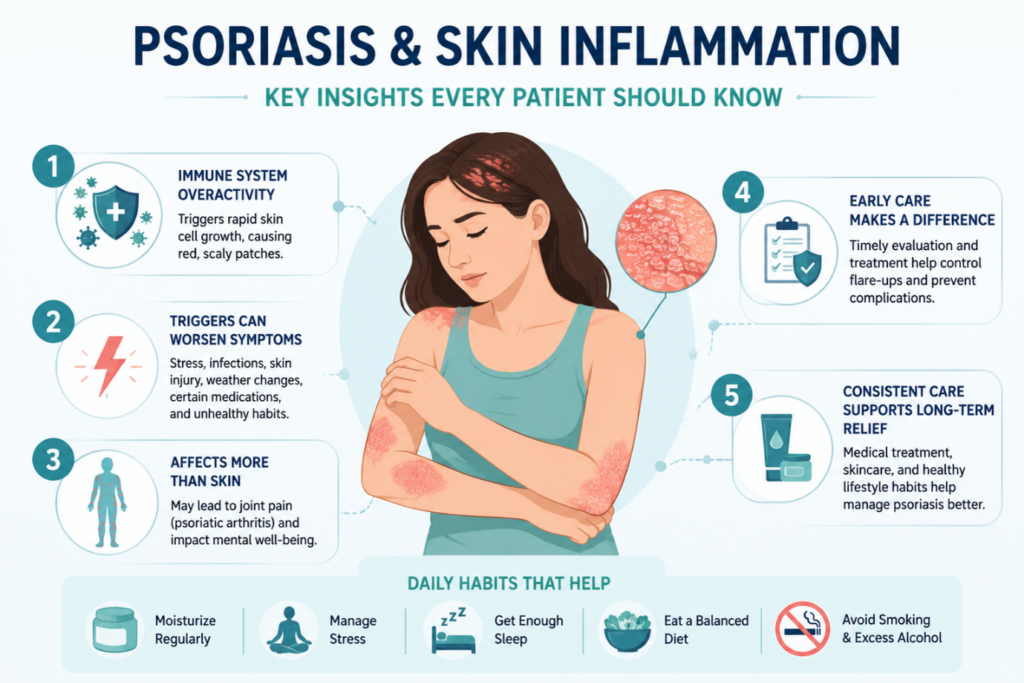
Psoriasis is a chronic inflammatory skin condition that affects millions of people worldwide. Unlike common skin irritation or occasional rashes, psoriasis develops because of an overactive immune response that speeds up the skin cell life cycle. As a result, skin cells accumulate rapidly on the surface, creating thick, scaly patches that may become itchy, dry, painful, or inflamed.
The condition can affect individuals of different age groups and often follows a pattern of flare-ups and remission. Some people experience mild symptoms limited to small areas, while others may develop widespread skin involvement that significantly affects daily life. Individuals searching for a trusted psoriasis specialist doctor in Ahmedabad, Gujarat are often looking for guidance on controlling symptoms, reducing flare-ups, and maintaining long-term skin health.
Understanding what causes psoriasis to worsen is one of the most important steps in managing the condition effectively. While psoriasis cannot always be permanently eliminated, proper treatment and lifestyle adjustments can help reduce symptom severity and improve quality of life.
How Inflammation Changes the Skin's Natural Renewal Process
Healthy skin follows a natural cycle in which old skin cells are gradually replaced by new ones over several weeks. In psoriasis, this process becomes much faster because the immune system mistakenly triggers rapid skin cell production.
As these cells accumulate on the skin surface, thick plaques and visible scaling begin to appear. The underlying inflammation contributes to redness, itching, irritation, and discomfort. This ongoing cycle of inflammation and rapid cell turnover is what makes psoriasis different from temporary skin conditions.
Although the exact cause is not fully understood, researchers believe that genetics, immune system activity, and environmental factors all play important roles in the development of psoriasis.
Everyday Factors That May Trigger Flare-Ups
Many people with psoriasis notice that symptoms worsen after exposure to specific triggers. Identifying and managing these triggers is often an important part of long-term symptom control.
Stress is one of the most common contributors to psoriasis flare-ups. Emotional stress can influence immune responses and increase inflammation throughout the body. Infections, especially those affecting the throat or respiratory system, may also trigger new outbreaks in some individuals.
Weather changes can have a noticeable effect on skin health. Dry air, cold temperatures, and reduced humidity may worsen skin dryness and scaling. Skin injuries such as cuts, burns, insect bites, or excessive scratching can sometimes lead to new psoriasis lesions.
Certain medications, smoking habits, excessive alcohol intake, and irregular sleep patterns may further contribute to symptom severity. Since triggers vary from person to person, understanding individual patterns can help improve symptom management.
Different Types of Psoriasis and Their Characteristics
Psoriasis can appear in several forms, and each type may present with different symptoms and treatment considerations.
Plaque psoriasis is the most frequently diagnosed type and usually appears as thick, red patches covered with silvery-white scales. These plaques commonly develop on the elbows, knees, scalp, and lower back.
Scalp psoriasis affects the scalp and surrounding areas, often causing persistent itching, flaking, and visible scaling. It may sometimes be confused with dandruff before a proper evaluation is performed.
Guttate psoriasis appears as small drop-like spots and is often associated with certain infections. Inverse psoriasis develops within skin folds and may appear smooth and red rather than scaly. Pustular psoriasis is less common but can produce pus-filled lesions that require medical attention.
Recognizing the type of psoriasis present can help guide appropriate treatment decisions and long-term management strategies.
The Importance of Seeking Timely Medical Attention
Many individuals initially ignore persistent skin symptoms, assuming they will improve on their own. However, psoriasis is a chronic condition that may become more difficult to manage if left untreated.
Early evaluation helps identify the severity of the condition, determine potential triggers, and rule out other skin disorders that may resemble psoriasis. Individuals consulting a psoriasis specialist doctor in Ahmedabad, Gujarat often receive personalized recommendations based on their symptoms, medical history, and overall skin health.
Timely intervention may help reduce discomfort, minimize skin damage, and improve long-term control of flare-ups. Early management can also support better quality of life and help individuals maintain daily activities with greater comfort.
The Connection Between Psoriasis and Overall Health
Although psoriasis is primarily known as a skin condition, its effects can extend beyond the skin. Chronic inflammation may influence other aspects of physical health and well-being.
Some individuals develop joint-related symptoms such as stiffness, swelling, and pain. This condition, known as psoriatic arthritis, can affect mobility and daily functioning if not addressed appropriately.
Living with visible skin changes may also affect emotional health. Individuals may experience frustration, stress, self-consciousness, or reduced confidence because of persistent symptoms. Managing both physical and emotional aspects of psoriasis is important for achieving better overall outcomes.
A comprehensive approach to care often focuses on reducing inflammation while supporting long-term physical and mental well-being.
Available Approaches for Symptom Management
Psoriasis treatment plans are tailored according to symptom severity, affected areas, and individual patient needs. No single treatment approach works for everyone, which is why personalized care is important.
Topical treatments are commonly used for mild to moderate psoriasis and may help reduce inflammation, itching, and scaling. More extensive cases may require additional therapies aimed at regulating immune system activity and improving skin health.
Phototherapy, which uses controlled ultraviolet light exposure, may also be considered for certain individuals under professional supervision. Along with medical treatment, skin hydration, trigger avoidance, and regular monitoring often play essential roles in long-term management.
Individuals seeking guidance from a psoriasis specialist doctor typically benefit from treatment plans designed around their specific symptoms and lifestyle requirements.
Daily Habits That Can Support Healthier Skin
Consistent skin care and healthy lifestyle choices can significantly influence psoriasis management. While these habits may not cure the condition, they can help reduce symptom severity and improve skin comfort.
Keeping the skin moisturized helps maintain the protective skin barrier and reduces dryness and irritation. Gentle cleansers and skin-friendly products may help prevent unnecessary inflammation.
Stress management techniques such as yoga, meditation, exercise, and relaxation practices may also support overall symptom control. Adequate sleep and balanced nutrition contribute to healthier immune function and may help reduce flare-up frequency.
Avoiding known personal triggers whenever possible is another important aspect of daily psoriasis care. Small lifestyle adjustments often make a meaningful difference over time.
Long-Term Strategies for Living With Psoriasis
Managing psoriasis is often a long-term process that requires consistency, awareness, and professional guidance. Understanding the condition, recognizing triggers, and following an individualized treatment plan can help reduce the impact of symptoms on everyday life.
Although flare-ups may still occur occasionally, many individuals successfully maintain healthier skin through a combination of medical care, preventive strategies, and healthy lifestyle habits. Long-term management focuses on reducing inflammation, improving skin comfort, and supporting overall well-being.
With proper care and regular monitoring, individuals can better manage symptoms, maintain confidence, and improve their quality of life. Those seeking expert support from a psoriasis specialist doctor in Ahmedabad, Gujarat can benefit from personalized approaches that address both immediate concerns and long-term skin health goals.