
Hair Transplant Recovery: What to Expect After the Procedure
Hair Transplant Recovery
Hair loss can affect confidence, appearance, and overall personality, leading many individuals to explore advanced restoration solutions. A hair transplant is one of the most effective and long-term treatments available for restoring natural hair growth. While the procedure itself is important, the recovery phase also plays a major role in achieving successful and natural-looking results. People searching for the best hair transplant in Ahmedabad, Gujarat often want to understand what happens after the procedure, how long recovery takes, and what care is required for healthy hair growth.
Modern hair transplant techniques are designed to provide minimal discomfort, faster healing, and natural outcomes. With proper aftercare and professional guidance, most individuals can return to their routine within a short period while gradually noticing visible hair growth over the following months. Understanding the recovery process helps patients stay informed, maintain realistic expectations, and achieve better long-term results.
Immediate Recovery After Hair Transplant
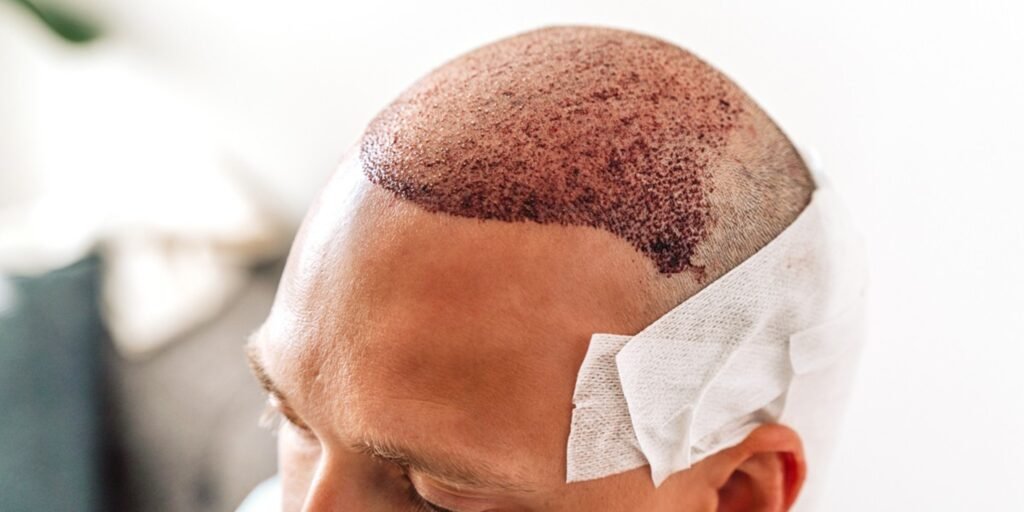
The first few days after a hair transplant are important for healing and protecting newly transplanted hair follicles. Mild redness, swelling, and slight discomfort around the treated area are common and usually temporary. These symptoms gradually reduce as the scalp begins to heal naturally.
Doctors generally recommend avoiding direct touching or scratching of the scalp during the initial recovery period. Proper cleaning instructions and medications may also be provided to prevent infection and support faster healing. Most patients are able to resume light daily activities within a few days after the procedure.
It is also common for small scabs to form around transplanted follicles. These scabs naturally fall off within a week or two as the healing process continues. Following the recommended care routine helps protect grafts and improves overall recovery results.
Hair Shedding and New Growth Phase
Many individuals become concerned when transplanted hair begins to shed a few weeks after the procedure. However, this is a completely normal part of the recovery cycle. The transplanted follicles remain healthy beneath the scalp while new hair growth gradually begins over time.
During the first few months, hair growth may appear slow or uneven, which is expected during the natural regrowth phase. Around three to four months after the procedure, patients usually begin noticing visible improvements in hair density and texture. Full results often continue developing over several months as hair becomes thicker and more natural in appearance.
Individuals choosing the best hair transplant in Ahmedabad, Gujarat are often guided through every stage of recovery to ensure healthy regrowth and long-term satisfaction. Patience during this phase is important because hair restoration results develop gradually.
Importance of Proper Aftercare
Proper aftercare is one of the most important factors in achieving successful hair transplant results. Patients are usually advised to avoid excessive sweating, smoking, alcohol consumption, and direct sun exposure during the early healing period. These factors can affect scalp recovery and may interfere with healthy hair growth.
Maintaining scalp hygiene and following medical instructions carefully helps reduce complications and supports healthy follicle survival. Sleeping positions may also be adjusted temporarily to minimize swelling around the forehead and scalp area.
Nutrition also plays a valuable role in recovery. A balanced diet rich in proteins, vitamins, and minerals supports stronger hair growth and improves healing. Hydration and healthy lifestyle habits further contribute to better recovery outcomes after the procedure.
Factors That Affect Hair Transplant Recovery
Recovery time and final results can vary from person to person depending on several factors. Age, scalp condition, hair type, lifestyle habits, and the severity of hair loss all influence the healing process. The technique used during the procedure also impacts recovery and overall comfort.
Modern techniques such as FUE are known for minimal scarring and quicker healing compared to older methods. Individuals with healthy scalp conditions and proper aftercare routines often experience smoother recovery and better hair growth results.
Stress management is another important factor. High stress levels may affect overall hair health, so maintaining a healthy routine after the procedure supports long-term improvement. Patients considering the hair transplant often prefer advanced treatment approaches that focus on both safety and natural-looking outcomes.
Common Mistakes to Avoid After a Hair Transplant
Some individuals unintentionally slow down recovery by ignoring aftercare instructions. Washing the scalp aggressively, touching grafts frequently, or engaging in strenuous physical activities too soon can affect healing and graft stability.
Using harsh hair products without medical advice may also irritate the scalp. It is important to use only recommended shampoos and hair care products during the recovery phase. Patients should also avoid wearing tight caps or helmets until the scalp heals properly.
Following professional guidance carefully improves the chances of successful recovery and long-lasting results. Regular follow-up appointments help monitor progress and address any concerns during the healing phase.
Long-Term Hair Growth and Maintenance
A hair transplant provides long-lasting and natural hair restoration when combined with proper care and healthy lifestyle habits. Once the transplanted follicles become stable, the new hair continues to grow naturally like normal hair.
Maintaining scalp health, reducing stress, and following a good hair care routine help preserve overall results. Some individuals may also benefit from supportive treatments that strengthen existing hair and improve density over time.
As the months progress, patients usually notice improved hair thickness, better hairline definition, and enhanced overall appearance. This transformation often improves confidence and helps individuals feel more comfortable with their appearance.
Advanced Hair Restoration Care
Hair transplant recovery is a gradual process that requires patience, proper care, and realistic expectations. While mild discomfort and temporary shedding are normal parts of healing, healthy hair growth becomes visible over time with the right aftercare and professional support.
Understanding the recovery journey helps individuals feel more confident and prepared before undergoing treatment. With advanced techniques, proper medical guidance, and healthy lifestyle habits, individuals can achieve natural and long-lasting results after choosing the best hair transplant in Ahmedabad, Gujarat.